
Sensors are a great way of making sure no one breaks into your home, but where you place them around your home makes a significant difference. Same goes for surveillance cameras.
If you want to make sure that your home security is in top condition, you have to find the perfect spots for them. Here are some helpful tips that will aid you with placement.
 At the Front Entrance
If you have a patio or something similar, install a sensor there. If a burglar decides to go in through the main entrance, they will be detected before they even get the chance to enter.
 This option may save you some damage to the door or windows, and increase the overall safety of your home.
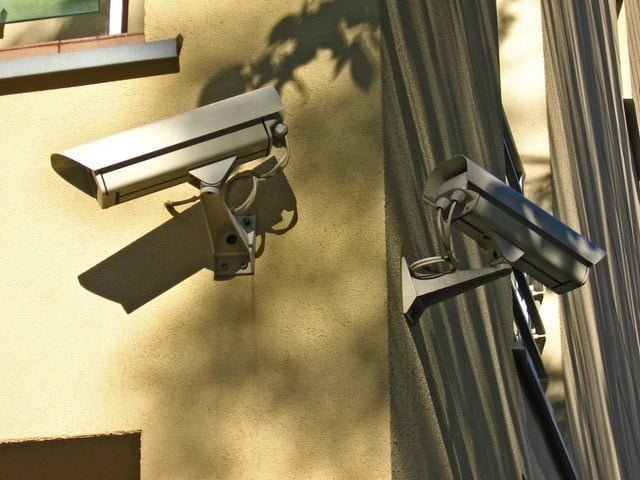
Cameras can cover a lot of ground when placed outside. Just remember that most break-ins happen at night, so it’s best to invest in a camera with night vision.
To avoid any malfunction, make sure the devices are protected from the elements.
In the Basement
Most thieves don’t target the front door or ground floor windows as a way to let themselves in. Many will try to go in through the basement since there’s a smaller chance of getting caught.
Make sure all your entrances are covered by placing sensors in there as well. Since basements are usually used for storage, make sure nothing is obstructing the sensor.
Cover all possible entrances to the basement, including the staircase. If someone manages to enter through the window undetected, they’ll be caught when going up.
At the End of Hallways
Placing a sensor in every room of the house may be too much. However, to ensure the best home security means to cover as much ground as possible.
The solution to this is to install a sensor in the hallway connecting more rooms.
It doesn’t matter from which room the burglar enters, the alarm will go off when they exit the room. The hallway is also a perfect place for a camera.
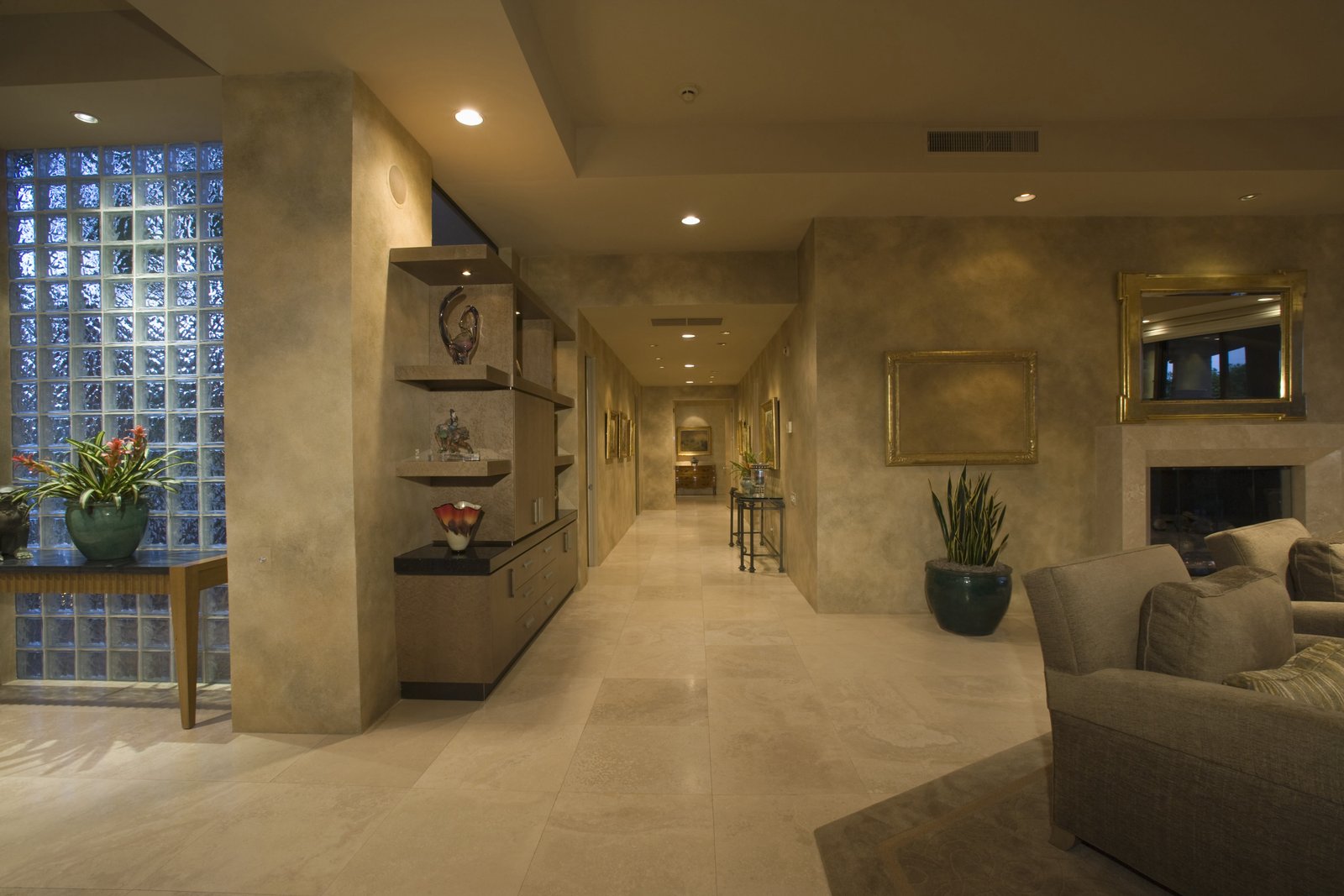 We recommend keeping two things in mind when placing security devices in hallways:
- The reach. Most modern sensors have a good reach, but you still need to check. It may be positioned slightly in a direction, leaving some rooms unprotected. Make sure it also covers the whole length of the hallway.
- How noticeable it is. If a burglar is coming towards the hallway, they may see the sensor or camera. A good idea is to install it on the ceiling where it’s less likely to be seen.
If you plan ahead, your hallways can become certified thief traps.
Behind Valuable Items
The reason burglars break into houses is to steal expensive items. They’ll go for things like jewellery, TVs, laptops and phones.
To make sure none of these gets stolen from your home, you can set a sensor specifically for them. This is a good tactic for keeping the most valuable items safe.
For example, you could place one behind the TV. This way, if it’s picked up or moved, the sensor will trigger an alarm.
The only mention here is that you shouldn’t move your valuable too often from one place to another, and notify close family members and trusted friends about the sensors.
The Finishing Home Security Touch
We mentioned the risk of a thief seeing the sensor. That doesn’t apply only to hallways but to all locations. If burglars can see them, they can plan around them.
There’s an easy and efficient way to avoid this. Camouflage all of your sensors. You just need to be careful not to block the sensor’s view as well.
Comments
Post a Comment