
We guide your through each step of renovating with handy downloadable guides to print off and keep
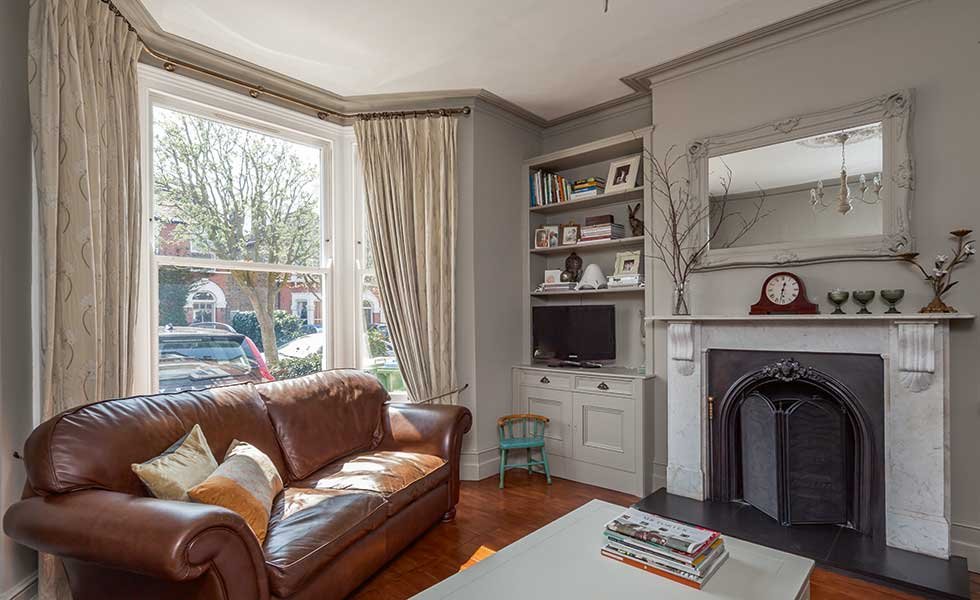
Taking on an old property can be exciting for those looking to create their dream home, but knowing how to go about doing it up can be challenging. This series guides you through every stage of the renovation process, from buying the building to adding the finishing touches.
See the PDF links below for a go-to guide on renovation
Part 1 Finding & Assessing a Project
Almost all properties have some potential for renovation — the key is assessing design and financial potential before committing. This guide shows you how to assess that potential.
Part 2 Completing the Deal
Run-down properties are in high demand, with everyone wanting a project they can put their own stamp on. We look at the process of buying including buying a property at auction, sealed bids, and how to finance the purchase with a specialist renovation mortgage.
Part 3 The Design Process
Natasha Brinsmead explains where to start when it comes to designing your home. Her guide includes tips on scheduling the renovation project; finding a designer; how much to pay for design work; the renovation design mistakes to avoid; considering energy efficiency; and what you need to know about planning permission.
Part 4 Repairing and Restoring Existing Features
One attraction of renovation projects is the charming original features they possess. But what do you do when they are in poor condition or missing altogether? This guide will help you understand when to repair period features and when to replace them. It includes guideline costs for repairing floors and advice on fixing roofs, fireplaces, doors, mouldings, windows and beams.
Part 5 Structural Changes
This part of the guide tackles structural changes to your home. For example, you may want to add space or change the use of your spaces with a basement conversion, garage conversion or loft conversion and some projects will require the knocking down of walls if you want to do any internal remodelling. Costs of these changes is also explained.
Part 6 External Changes
Completely overhauling the external details of your house will transform its look and the way you feel about it — and the good news is that there are ways of doing this to suit all budgets. Find out how to update the exterior of your home with new cladding, a new roof or a new driveway, as well as advice on the little changes that can make a big difference.
Part 7 Extending
Sometimes there’s no getting around the need to add extra space to an existing house. Natasha Brinsmead explains the key things you need to know to get an extension right. This guide covers frequently asked questions about: extension costs; planning permission; building regulations; design and extending a Listed building.
Part 8 Updating Heating and Electrics
An old house will often need the heating or electrics updating. Before you get started, find out what you can do yourself, what is involved and how much it will cost.
Part 9 Eco-vation
Eco-vation or eco-renovation is the process of improving the energy efficiency of an old home to make it less draughty and more economical (and comfortable) to live in. This guide looks at improving your home’s insulation and renewable energy options.
Part 10 Finishing Off
With the structural work behind you, it’s time to put the finishing touches to your renovation — this is the fun bit where you really start to see all your hard work pay off. Find out what you need to know about finishing walls, flooring and woodwork.
Comments
Post a Comment