
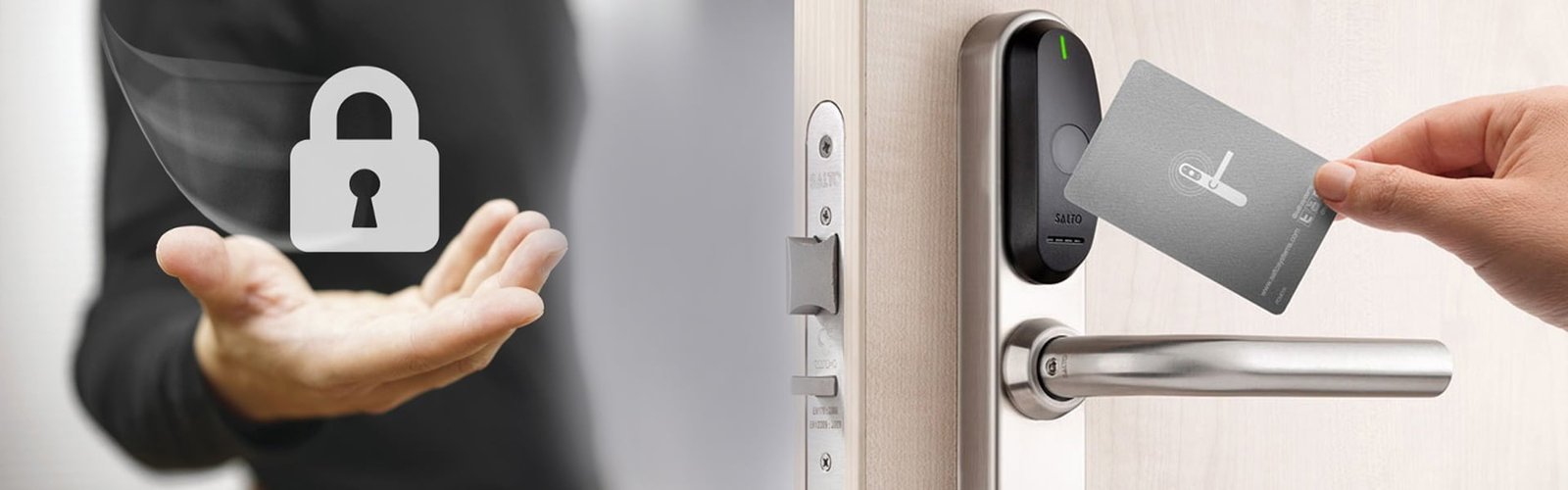
Today’s access control systems have become very advanced. With hardware and software specialists combining their knowledge, experience, and professional expertise, these systems have been created to serve a number of different critical purposes for businesses all over the globe.
With that being said, here are some reasons why your company should provide regular maintenance for your access control systems.
Why Regular Maintenance Is Needed For Your Access Control System
1. Maintenance Helps to Provide Seamless Operations for the Entire Company
Like any other technically advanced system, routine maintenance is required to ensure that things run smoothly. Though hardware problems can occur at any time, many of these problems can be caught and corrected well in advance. However, without the implementation of a regularly scheduled maintenance plan, these occurrences can become more frequent and next to possible to avoid.
So, for those companies who want to maintain a seamless smooth running access control system, it is important that repairs and replacement of essential hardware parts are taken care of before any major problems occur. In fact, with the right kind of maintenance plan in place, the owner of the company and their representatives can prevent occurrences of faults and failures that has the potential of adversely impact their entire operation.
2. Application Updates to Implement New Features, Corrections, and Security Hacks
Before a business has an access control system installed in their building premises, there are several key factors that must be considered first. More importantly, the company will need to determine which type of access control system they wish to install, since these systems can vary greatly in scope and complexity. It is suggested to choose the one that is the best fit for the needs and preferences of the business.
Once the selection is made and the installation is complete, the actual operation of these systems will not stop there. If an error or errors are found in an application, the systems will need an update to correct the problems so that the security remains as tight as possible.
The same, or similar types of updates are needed when the access control system has been hacked into. Therefore, the regular maintenance and monitoring of these kinds of systems can help to ensure that no unnecessary problems occur.
3. Minimises Access Control Equipment Failure Issues
Because access systems can be very expensive to install, a company may elect to keep the systems that they choose for many years without changing them out. Therefore, as the years begin to pass and the equipment begins to get older, there are greater chances of equipment failure issues to occur. For instance, the keypad that allows the user to enter the password may begin giving a variety of different problems due to all of the wear and tear.
Either way, to prevent access control equipment failure from causing significant problems for all, or part of an operation, the basic parts of this type of control system will need to be inspected, repaired and replaced during these maintenance routines.
4. Prevents Workers From Being Trapped In A Facility
It is not uncommon for a company to select a very powerful access system today. In fact, based on all of the features selected, these systems are designed to let people in and keep them out on a selective basis. Therefore, once these systems have been installed properly, the doors on the outside, as well as inside, cannot be opened again without the appropriate security clearance, for instance password or bio-metric fingerprint.
Even though these systems can be very beneficial in controlling who comes and goes, there are downsides to purchasing this kind of access system if regular maintenance hasn’t been put in place. One of which involves experiencing a major malfunction that can occur which prevents workers from leaving the building. Meaning if the doors are inadvertently locked due to a malfunction in the system, the workers may be locked inside the building until the problem has either been fixed or a workaround solution has been properly implemented.
5. Saves Money by Minimising Access Control Equipment Repair Jobs And Associated Cost
Operating some of these innovative systems can be very costly if downtime is experienced, and the workers’ jobs cannot be done until corrected. Since one of the main reasons for establishing a regular maintenance plan is catching problems before they do occur, the company can identify problems and correct them in a timely and less expensive manner. However, when the company does not have the appropriate maintenance plan in place, many of their main issues will not be identified until a problem actually occurs.
In these situations, the owner or their representatives will need to contact the appropriate professionals for emergency repairs. Typically, emergency repair services can be very costly for a number of different reasons, including the following:
– Workers cannot work until gaining access to a corporate database via the right security measures, meaning people will be sitting on the clock with nothing to do.
– After hours or weekend work from professionals can only be done via an emergency premium price service. Therefore, the company is usually paying much more by calling people in after-hours or on the weekend.
Regularly scheduled maintenance is not a luxury, but a necessity for companies that install access control systems today. Therefore, when a company completes their installation processes, they will need to know the reasons why the maintenance of these systems is so important.
Some of the more include; providing a seamlessly run access control environment, updating the systems with the latest software applications in the industry, minimising equipment failures, preventing workers from being trapped inside of facility, and saving money by eliminating the need for calling in specialists for emergency repairs.
Comments
Post a Comment